August 24, 2026
The lighting industry in the United States is entering a period of rapid transformation. Advances in efficiency, digital controls, smart-building technology, sustainability, and design are changing how homes, businesses, public facilities, and entertainment venues illuminate their spaces. Traditional bulbs and fixtures are increasingly giving way to systems that offer longer lifespans, lower energy consumption, improved control, and greater flexibility. As manufacturers continue to develop new products, the future of lighting equipment will be shaped not only by how much light a fixture produces but also by how intelligently, efficiently, and sustainably that light is delivered.
These changes affect nearly every part of the lighting market, from commercial buildings and residential properties to theaters, event spaces, studios, and outdoor installations. Buyers are paying closer attention to operating costs, energy use, maintenance requirements, automation, and environmental impact. At the same time, designers and production professionals are looking for systems that provide greater creative freedom. Understanding where the industry is heading can help organizations prepare for future investments while making better decisions about the systems they use today.
Advancing LED Technology and Energy Efficiency
LED technology will continue to play a central role in the future of the U.S. lighting industry. LEDs already offer significant advantages over many traditional incandescent and fluorescent sources, including lower energy consumption, longer service life, reduced heat generation, and greater flexibility in fixture design. As LED technology continues to improve, manufacturers are developing products with higher output, better color rendering, smaller components, and more efficient power management. These improvements make LEDs useful across a growing range of residential, commercial, industrial, architectural, and entertainment applications.
The potential energy impact is substantial. According to the U.S. Department of Energy, by 2035, LED technology is expected to account for most lighting installations, potentially saving more than 569 TWh of energy each year, an amount comparable to the annual output of over 92 power plants rated at 1,000 MW each. As adoption increases, newer lighting equipment may help property owners and organizations reduce electricity demand while maintaining the brightness and visual quality their spaces require. Greater efficiency can also reduce operating expenses in facilities where lights run for long periods each day.
Expanding Smart Controls and Connected Systems
Lighting is becoming increasingly connected to broader building-management and automation systems. Smart controls allow users to adjust brightness, schedules, color temperature, and individual fixtures through centralized software, mobile devices, sensors, or programmed scenes. Occupancy sensors can reduce unnecessary energy use by turning lights off when rooms are empty, while daylight sensors can adjust artificial lighting based on available natural light. These technologies give users more control over both energy consumption and the way a space feels throughout the day.
Connected lighting equipment may become even more sophisticated as Internet of Things (IoT) technology develops. Lighting systems can potentially communicate with other building components, including climate controls, security systems, audiovisual systems, and occupancy-management platforms. For commercial properties, this connectivity can provide useful information about room usage and operating patterns. In performance venues and production environments, networked systems can make it easier to coordinate complex lighting cues and control multiple fixtures from a central location. Increased connectivity can therefore support both practical building management and more advanced creative applications.
Improving Flexibility Through Digital Control
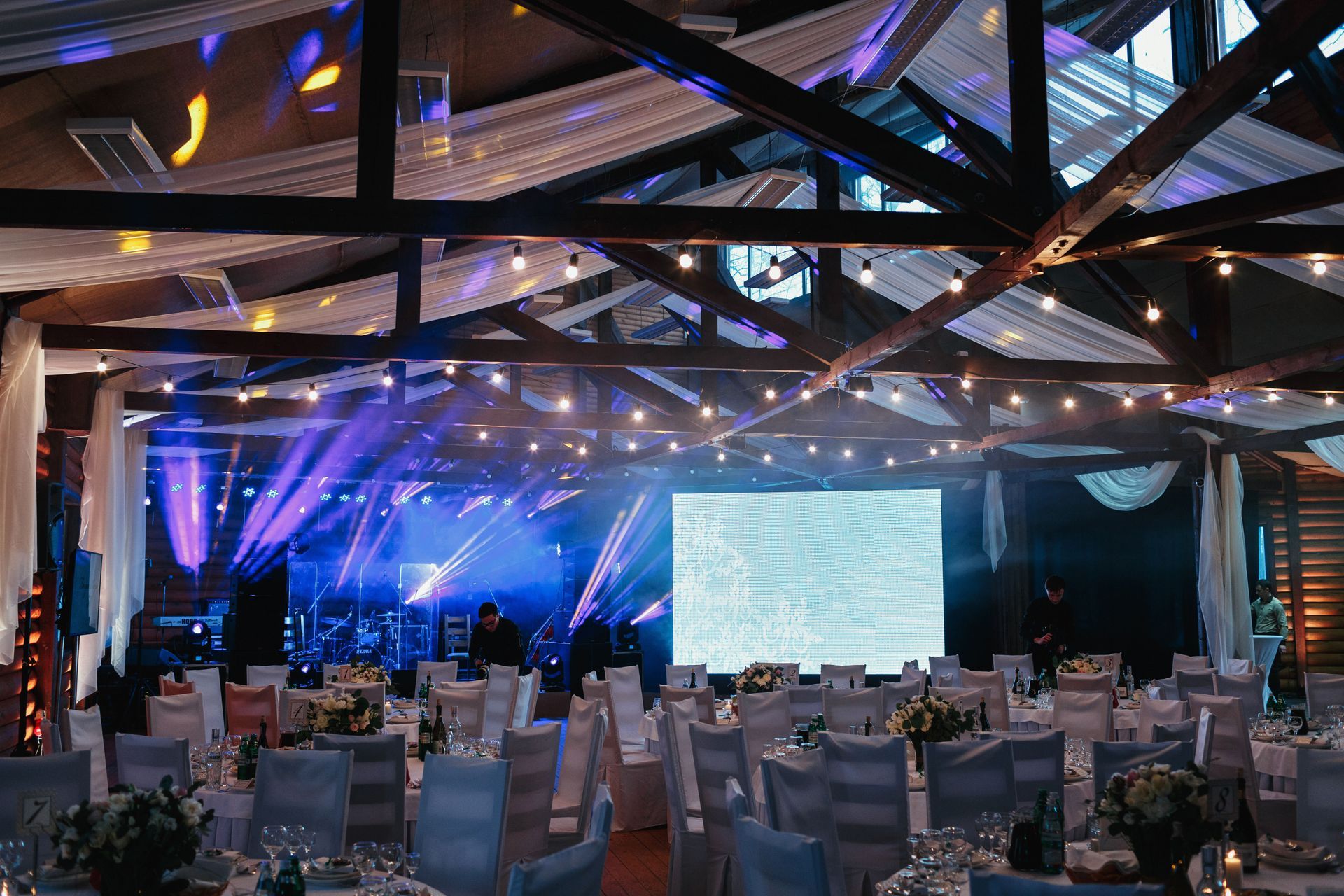
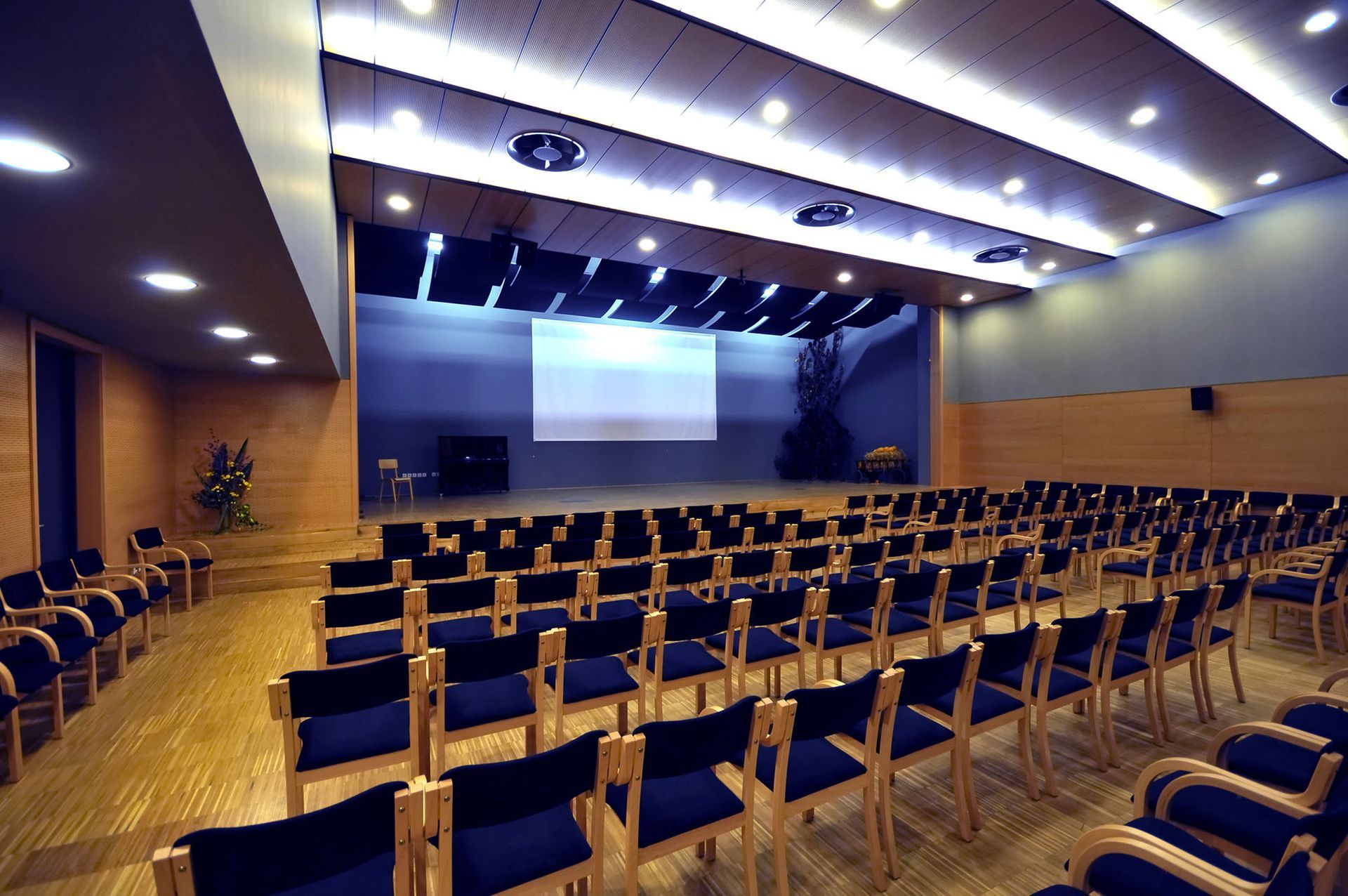
Modern lighting design increasingly depends on flexibility. Instead of relying on fixed-output fixtures, users can choose systems that allow precise adjustment of intensity, beam direction, color, and other characteristics. Digital controls make these changes faster and easier, allowing one fixture to perform tasks that previously required several separate pieces of equipment. This adaptability is particularly valuable in theaters, studios, event venues, conference spaces, and multipurpose facilities where lighting needs may change frequently.
Future lighting equipment is likely to provide even greater levels of customization. Programmable fixtures can allow users to create and save lighting scenes for different activities, productions, events, or times of day. Color-changing technology may also become increasingly common outside entertainment settings as businesses and property owners use adjustable lighting to support branding, atmosphere, and specific room functions. As controls become more intuitive, organizations may be able to achieve sophisticated results without requiring extensive manual adjustments every time the needs of a space change.
Reducing Environmental Impact Through Sustainable Design
Energy efficiency is only one part of sustainability. Manufacturers are also examining the materials, packaging, construction methods, and end-of-life considerations associated with lighting products. Products that last longer require less frequent replacement, which can reduce material consumption and waste. Modular fixtures that allow individual components to be repaired or replaced may also offer advantages over products that must be discarded when a single part fails. These approaches can influence how manufacturers design future systems and how organizations evaluate long-term purchasing decisions.
Sustainable lighting equipment may increasingly incorporate recyclable materials, efficient manufacturing practices, and replaceable components. Buyers may also place greater emphasis on durability because products that remain functional for many years can reduce both waste and recurring replacement expenses. For businesses with large lighting inventories, such as production companies, venues, schools, and commercial facilities, even small improvements in product longevity can make a meaningful difference. Sustainability considerations may therefore become an increasingly important part of comparing fixtures alongside price, output, efficiency, and performance.
Enhancing Lighting for Human Comfort and Experience
The future of lighting will also focus more closely on how illumination affects the people using a space. Brightness, glare, color temperature, contrast, and light distribution can influence how comfortable and functional an environment feels. A workspace may require different lighting characteristics than a restaurant, theater, retail environment, or residential room. As manufacturers improve their ability to control these characteristics, designers will have more options for tailoring systems to specific activities and audiences.
Adjustable lighting equipment can support this approach by allowing users to change the appearance of a space instead of relying on one fixed lighting condition. Commercial spaces might use different settings for daytime and evening activities, while event venues can modify lighting to match the atmosphere of individual programs. Production teams can use precise color and intensity controls to create visual effects without frequently changing physical fixtures. Greater control allows lighting to become an active design element rather than simply a practical source of illumination.
Preparing Facilities for Future Lighting Needs
Organizations planning upgrades should consider more than their immediate lighting requirements. Electrical capacity, control infrastructure, networking, mounting locations, fixture compatibility, and future expansion can all affect how easily a system adapts over time. Choosing systems that support flexible controls or modular upgrades may help facilities respond to changing technology without replacing every component at once. Planning ahead is especially important for venues and commercial properties where lighting represents a significant operational investment.
The growing capabilities of lighting equipment also make professional guidance increasingly valuable. With many fixture types, control protocols, output levels, color options, and mounting configurations available, choosing equipment solely by price or wattage may not produce the best result. Experienced lighting professionals can help determine which solutions fit the size, purpose, operating conditions, and creative goals of a space. Careful planning can help organizations build systems that meet present requirements while remaining adaptable as technology continues to evolve.
The future of lighting in the United States will be defined by greater efficiency, connectivity, flexibility, sustainability, and control. LED adoption will continue to expand, while smart systems, digital programming, improved materials, and automated fixtures will give users more ways to manage energy consumption and shape the visual experience of their spaces. These advances offer valuable opportunities, but selecting the right technology still depends on understanding the needs of each project and how different systems work together. Whether you are planning an event, upgrading a venue, or exploring new lighting solutions for a production, professional support can help you take advantage of the latest developments. Contact Bean Lighting & Production today to discuss your lighting needs and explore solutions for your next project.